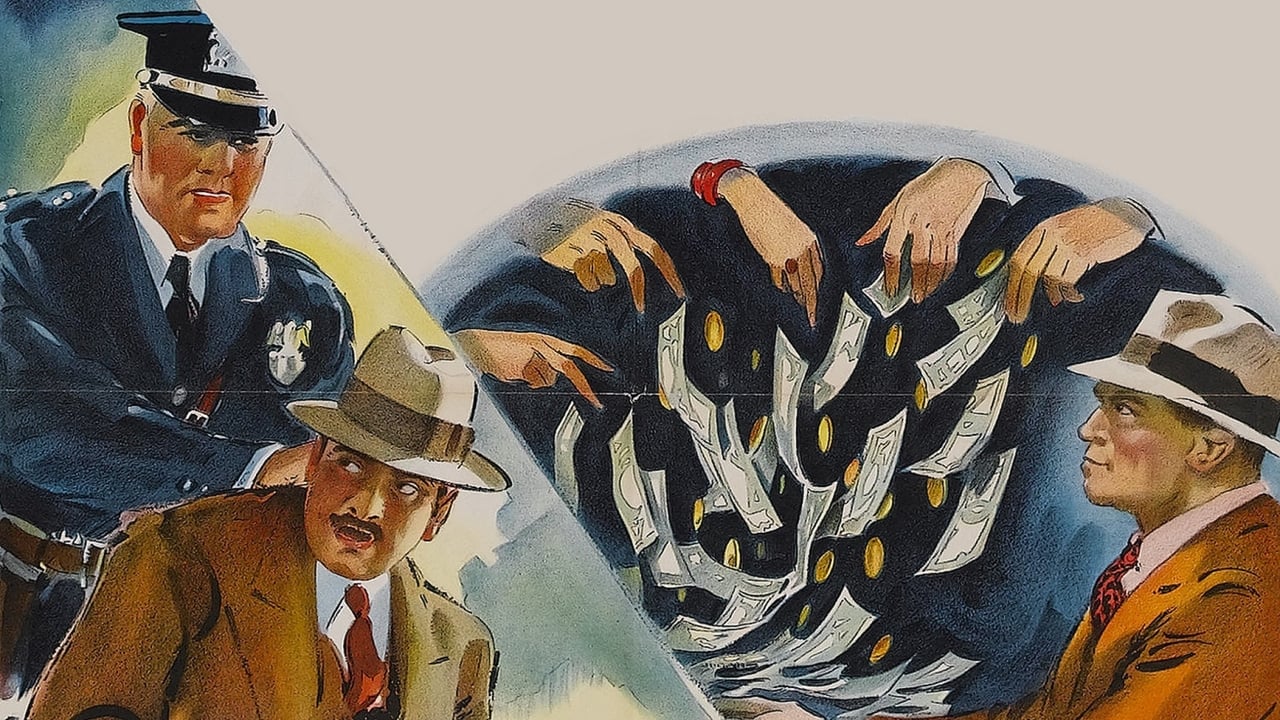

The Public Pays
Distribution
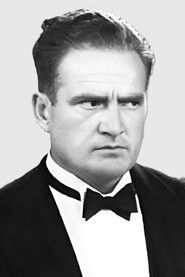
Richard Alexander
Drunken Hood Who Knocks Over Milk Wagon (uncredited)

Barbara Bedford
Markovitz's Secretary (uncredited)
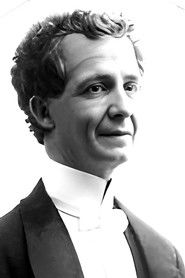
Harry C. Bradley
Grocer (uncredited)
Russ Clark
Officer Jerry (uncredited)
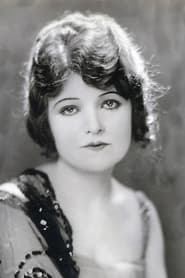
Betty Ross Clarke
Paige's Secretary (uncredited)
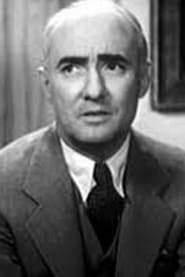
John Dilson
Milk Company Executive Moore (uncredited)
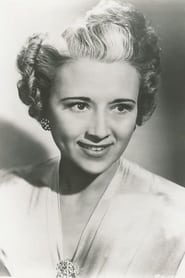
Bess Flowers
Woman from the Relief Bureau (uncredited)
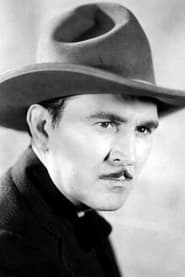
Karl Hackett
Milk Company Executive Markovitz (uncredited)
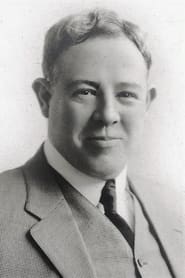
Robert Homans
Officer Donovan (uncredited)
George Humbert
Italian Milk Dealer Simonelli (uncredited)
Cy Kendall
Police Chief John Carney (uncredited)
Bert LeBaron
Racketeer (uncredited)
Films recommandés
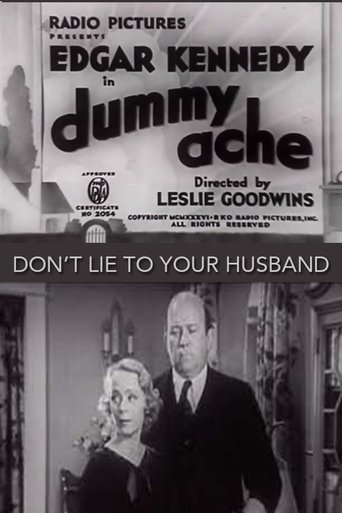 ⭐ 5.1
⭐ 5.1Dummy Ache
Dummy Ache is a 1936 American short comedy film directed by Leslie Goodwins. An assuming husband, suspicious of his wife, follows her for the day. Misunderstandings, mishaps, and hijinks ensue. It was nominated for an Academy Award at the 9th Academy Awards in 1936 for Best Short Subject (Two-Reel). Preserved by the Academy Film Archive in partnership with Library of Congress. Motion Picture, Broadcasting, and Recorded Sound Division in 2013.
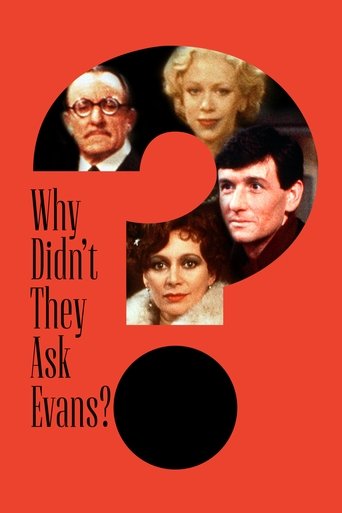 ⭐ 6.6
⭐ 6.6Why Didn't They Ask Evans?
This intriguing story is set in the 1930s at a country house, where two amateur sleuths, Bobby Jones and Lady Frankie Derwent, try to unravel the mystery behind a tale of murder, suspense and false identities. And the only clues the two have to go on are the puzzling last words of a dying man. Featuring characters created by Agatha Christie, Why Didn't They Ask Evans is a classic crime thriller sure to please murder-mystery fans.
 ⭐ 6.0
⭐ 6.0From Generation to Generation
This film illustrates the basic facts of human reproduction shown through the lives of a young farm couple with one child.
 ⭐ 7.0
⭐ 7.0Nobody - Little Monster's Summer
Prequel of the film Nobody, 浪浪山的小妖怪, introducing us to the pig as one of the main characters!
 ⭐ 6.5
⭐ 6.5The great voyage of Captain Neptune
Two madmen wish to avenge the historical Peruvian ship "Monitor Huascar" under the command of Capitain Grau: a hero, and a symbol of the 19th century war lost to Chile.
 ⭐ 5.0
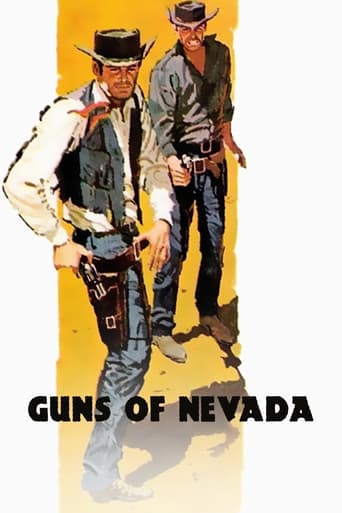
⭐ 5.0Guns of Nevada
Joe Dexter, a famous gunfighter known as Nevada Joe, Golden Hill reaches a mining town. There he will find that the transport of gold from the mines is monopolized by John Randolph, who is opposed only Julia Brooks, owner of a mining concession, with which Dexter intimará and support in its confrontation with Randolph.
 ⭐ 5.7
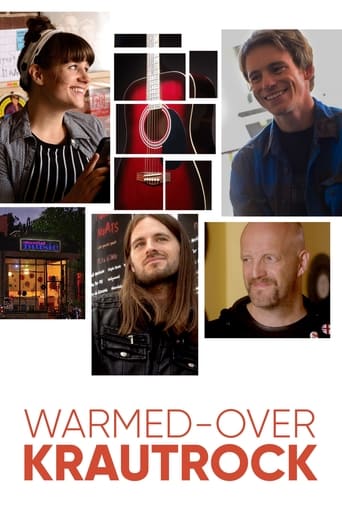
⭐ 5.7Warmed-Over Krautrock
What do you do when you love music, and music doesn't love you back? It's a question that haunts Walt (Jim Tavaré), the owner of Essential Music, an indie record store in the heart of Silver Lake. Walt's all too aware of how his punk-rock glory days are fast fading in the rear-view - even as he can't help recounting war stories to his much younger employees: Lysette (Kate Dalton), who has to contend with a parade of customers convinced she's the Record Store Girl of their dreams; Chris (Derek James Elstro), the lead singer of Troubled Meats, a band poised for takeoff, and maybe not just in Chris' mind; and well-meaning music nut Duane (Adam Weber), who's a little too fluent in Rock Critic for his own good. With a love of all types of music evident in every shot, WARMED-OVER KRAUTROCK is a comedy for anyone who's ever spent too much time obsessing over playlists - and for anyone who's ever been driven crazy by that type of person, too.
 ⭐ 3.0
⭐ 3.0Sweet Obsession
When a university student moves in with a family in Mexico City, conflicts emerge. An inevitable affaire with the father, a rebellious bond with the adolescent daughter and tensions with the mother lead up to a painful secret that will shake the family apart.
 ⭐ 6.0
⭐ 6.0History of Jazz: Oxygen for the Ears
'Oxygen for the Ears: Living Jazz' is a story of the trials and triumphs of jazz in America. Every jazz tune has a starting point - a simple note - from which the music starts its journey and rises. 'Oxygen for the Ears' portrays Washington D.C. as such a departure point for its documentary story, 'Living Jazz'.
 ⭐ 8.5
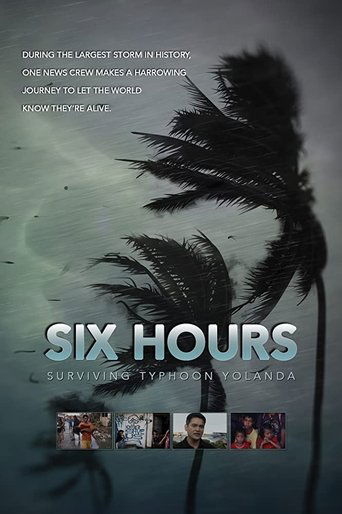
⭐ 8.5Six Hours: Surviving Typhoon Yolanda
In the middle of a broadcast about Typhoon Yolanda's initial impact, reporter Jiggy Manicad was faced with the reality that he no longer had communication with his station. They were, for all intents and purposes, stranded in Tacloban. With little option, and his crew started the six hour walk to Alto, where the closest broadcast antenna was to be found. Letting the world know what was happening to was a priority, but they were driven by the need to let their families and friends know they were all still alive. Along the way, they encountered residents and victims of the massive typhoon, and with each step it became increasingly clear just how devastating this storm was. This was a storm that was going to change lives.