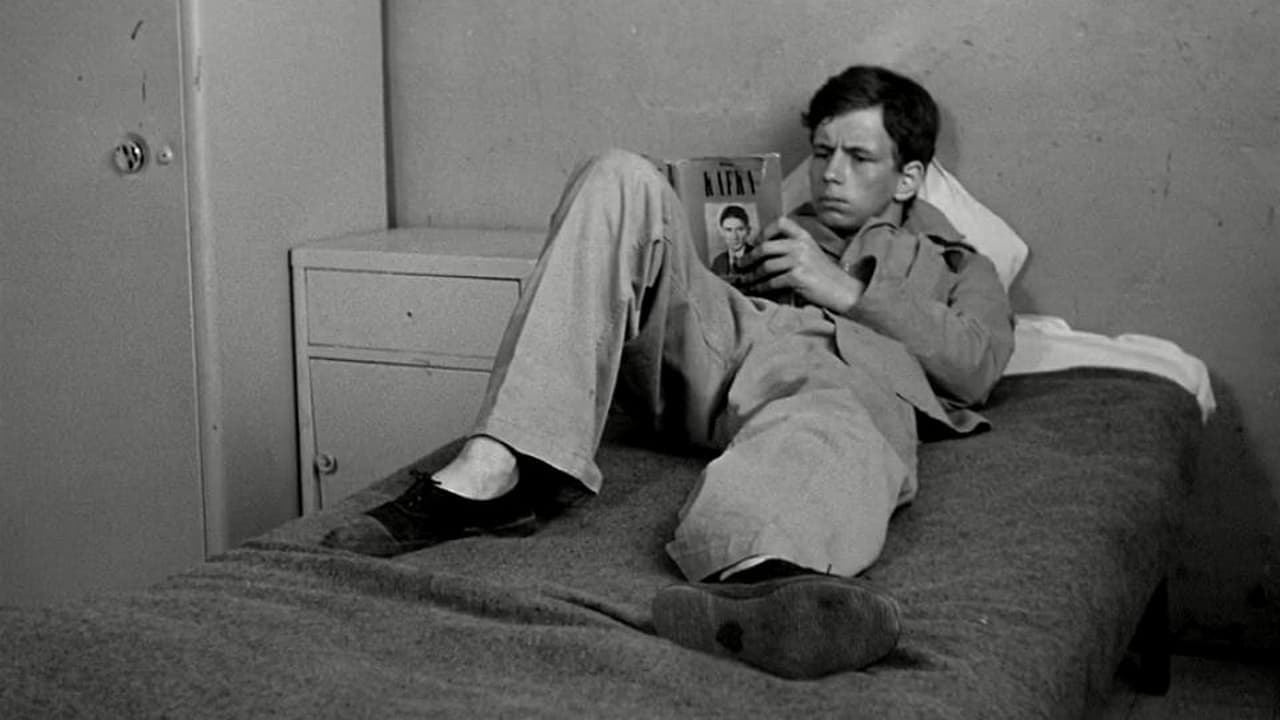

Trilogie Bill Douglas: Mon retour
Placé dans un pensionnat, Jamie vit difficilement le quotidien avec les jeunes de son âge. Malgré la bienveillance du directeur à son égard, l'adolescent finit par accepter de retourner vivre avec son père. Mais, une fois encore, ce dernier le délaisse. Après s'être enfui, Jamie est hébergé un temps dans un centre de l'Armée du salut. Parti effectuer son service militaire en Égypte, il fait la connaissance de Robert, un Anglais de bonne famille passionné de littérature...
Distribution

Stephen Archibald
Jamie

Joseph Blatchley
Robert

Paul Kermack
Jamie's father
Jessie Combe
Father's wife
William Carroll
Their son, Archie
Morag McNee
Father's girlfriend
Lennox Milne
Grandmother
John Young
Shop assistant
Gerald James
Mr Bridge
Radir
Egyptian boy
Andrew
Boy in home
Films recommandés
 ⭐ 7.1
⭐ 7.1Trilogie Bill Douglas: Ceux de chez moi
La grand-mère maternelle de Jamie vient de mourir. Tommy est envoyé dans un orphelinat et Jamie doit aller vivre chez sa grand-mère paternelle, une femme violente qui accuse la mère de Jamie de ruiner son fils. Elle n'a d'élans de tendresse envers le gamin que lorsqu'elle a bu plus que de raison...
 ⭐ 6.6
⭐ 6.6La Chute d'Otrar
Cette épopée historique retrace les intrigues politiques des Kiptchaks, une confédération de tribus des steppes d'Asie centrale, avant leur invasion par Gengis Khan.
 ⭐ 7.5
⭐ 7.5La Clepsydre
Jozef vient voir son père en traitement dans un sanatorium, où le Dr. Gotard entretient une très mystérieuse atmosphère. Une porte allégorique garde l'entrée du lieu ; dès qu'on la franchit, on pénètre dans un monde de fantaisie issu du subconscient.
 ⭐ 8.5
⭐ 8.5Six Hours: Surviving Typhoon Yolanda
In the middle of a broadcast about Typhoon Yolanda's initial impact, reporter Jiggy Manicad was faced with the reality that he no longer had communication with his station. They were, for all intents and purposes, stranded in Tacloban. With little option, and his crew started the six hour walk to Alto, where the closest broadcast antenna was to be found. Letting the world know what was happening to was a priority, but they were driven by the need to let their families and friends know they were all still alive. Along the way, they encountered residents and victims of the massive typhoon, and with each step it became increasingly clear just how devastating this storm was. This was a storm that was going to change lives.
 ⭐ 6.8
⭐ 6.8Film
Before the three feature films, Mario Schifano directs the camera towards the people around him to create real film diaries. His friends, his time partner and the artists he frequented are portrayed in their everyday life or object of the mechanical gaze of the camera, a filter through which to look at the outside world.
 ⭐ 3.8
⭐ 3.8The End of 'Saturn'
A second part of story about a Soviet spies trying to infiltrate German Intelligence center "Saturn" during and after the WWII.
 ⭐ 5.5
⭐ 5.5Viva el chubasco
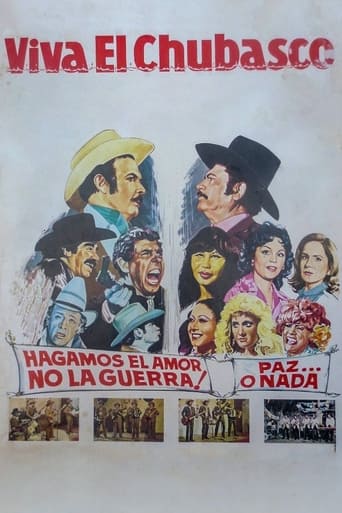
The struggle between two rival families brings many complications into the life of a people. The priest, with the agreement of the women, get a strike of crossed legs until peace is a fact.
 ⭐ 10.0
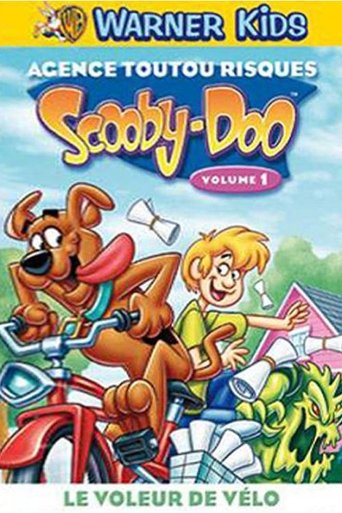
Scooby-Doo: Agence toutou risques, vol. 1 : Le voleur de vélo
Suivez les aventures de Scooby-Doo lorsqu’il n’était encore qu’un petit chiot ! Le vélo rouge de Sammy a disparu, le gang part sur les traces des voleurs qui laissent d’étranges empreintes vertes. Plus tard, une affreuse créature toute en fromage va menacer la production des Scooby Snacks, les gâteaux préférés de Scooby et Sammy…
Film
"This piece, with the generic title Film, is a series of short videos built around one protocol: a snippet of news from a newspaper of the day, is rolled up and then placed on a black-inked surface. On making contact with the liquid, the roll opens and of Its own accord frees itself of the gesture that fashioned it. As it comes alive in this way, the sliver of paper reveals Its hitherto unexposed content; this unpredictable kinematics is evidence of the constant impermanence of news. As well as exploring a certain archaeology of cinema, the mechanism references the passage of time: the ink, whether it is poured or printed, is the ink of ongoing human history." –Ismaïl Bahri